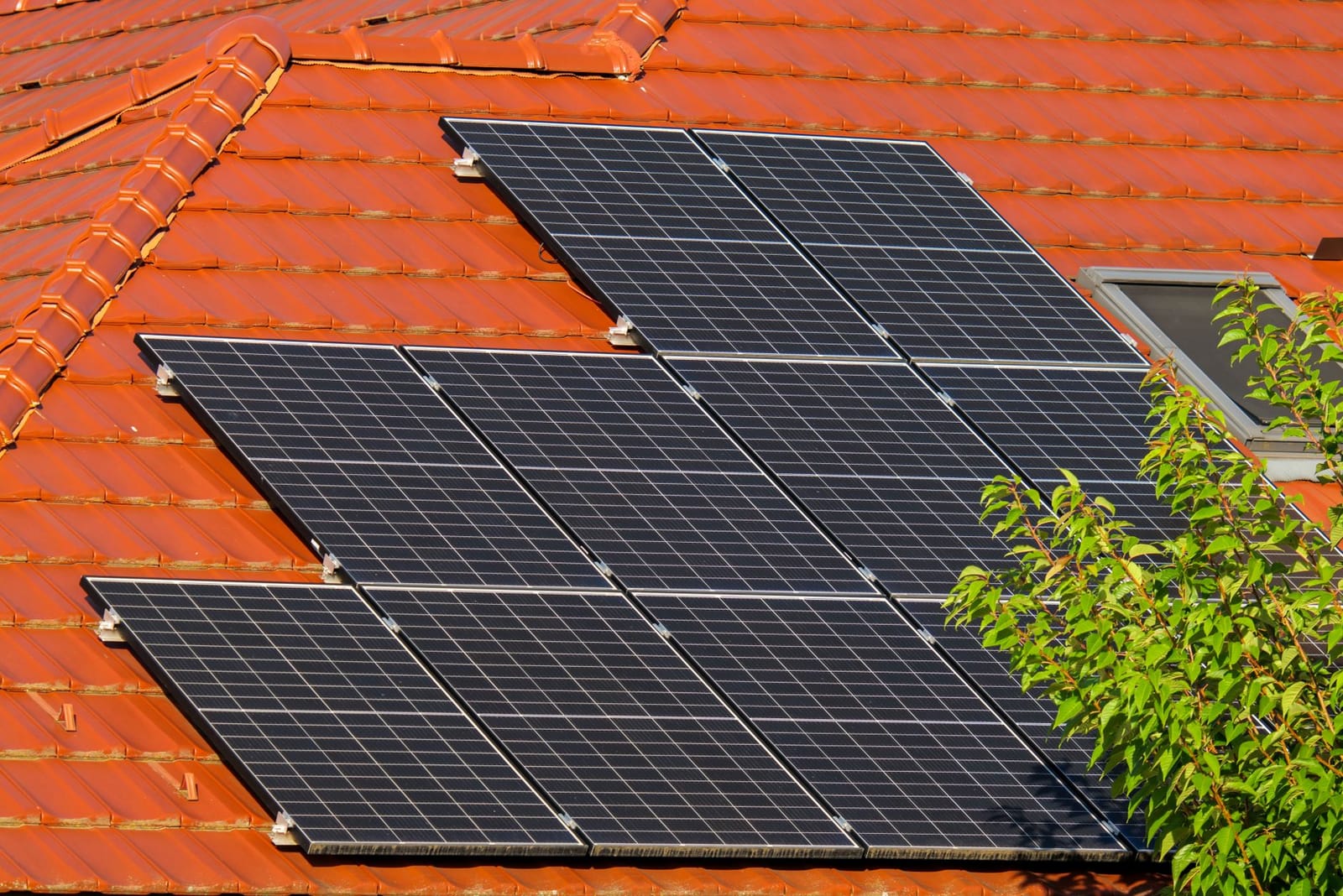
This site is a guide to one of the hardest building types to get solar right on: refrigerated and cold storage warehouses. Most solar installers can put panels on a flat roof. Far fewer understand what changes when that roof sits over a chamber held at minus 25 degrees, why the fixing method matters more than the panel brand, and how an array should be designed around refrigeration plant that never switches off. That focus is deliberate. Cold storage can have favourable solar economics where the load is steady, and sector-specific guidance for it is hard to find.
Why this site focuses on cold storage
Refrigerated warehousing is very electricity-intensive. The compressors, condensers and evaporator fans run 24 hours a day, 365 days a year, which means a cold store tends to consume most of what a rooftop array can produce. The illustrative model assumes a high share of generation (about 90%) is used on site; test that against twelve months of half-hourly meter data. The payback is sensitive to that assumption, and the site's simple model gives an illustrative four to five years (not a quote). But the same buildings carry real complexity. Insulated composite panel roofs cannot be penetrated carelessly without breaching the vapour barrier. Structural loading has to be checked because the roof was built to keep heat out, not to carry ballast. F-gas regulated plant rooms need careful coordination. These are the problems the guides on this site are written around, rather than treating a cold store like any other shed.
How a project typically runs
A sound process is transparent and survey-led. The first proposal is typically desk-based, built from meter data and roof drawings, with an indicative system size, generation forecast and internal rate of return. If the numbers work, a structural and electrical survey follows, after which a detailed proposal with full yield modelling, a discounted cash-flow analysis and clear contract terms can be produced. The site's insurer and a fire-protection engineer should be asked about roof loading, clearances and sprinkler compatibility before design, and wind loading is calculated to BS EN 1991-1-4 for the specific site exposure. Installation happens above the operations, so picking, despatch and the cold chain itself keep running. The only outage usually needed is a few hours for final grid synchronisation, which can be scheduled for a weekend or a planned shutdown. This site does not carry out any of these steps; if you send an enquiry, we reply by email.
What to look for in an installer
The commercial solar market has its share of generalist contractors and outright cowboys. A good installer says honestly if a cold store does not suit solar, and would rather walk away from a project that will not deliver than damage its record. Ask the site's insurer and a fire-protection engineer about roof loading, clearances and sprinkler compatibility before design; structural verification should be standard on every job, not an optional extra. Ask for the workmanship warranty terms in writing, and check any certification an installer claims against the issuing body.