





Solar panels for cold storage: clean power for round-the-clock refrigeration
Solar panels for cold storage make more financial sense than they do on almost any other building in the UK, and the reason is simple: a refrigerated or chilled facility never switches off. Whether you run food, pharmaceutical or wider cold-chain logistics, the compressors, condenser fans, lighting and controls draw power day and night, so the electricity your panels generate is consumed on site rather than exported at a lower price. Self-consumption is the single biggest driver of solar payback, and a cold store typically achieves 90% or more, because refrigeration demand peaks in step with daytime generation. With network charges up 40 to 80 percent since 2022, and customer Scope 2 and Scope 3 mandates flowing through to operators, on-site solar is both a hedge against rising costs and auditable evidence of carbon reduction.
How we size a cold-storage system
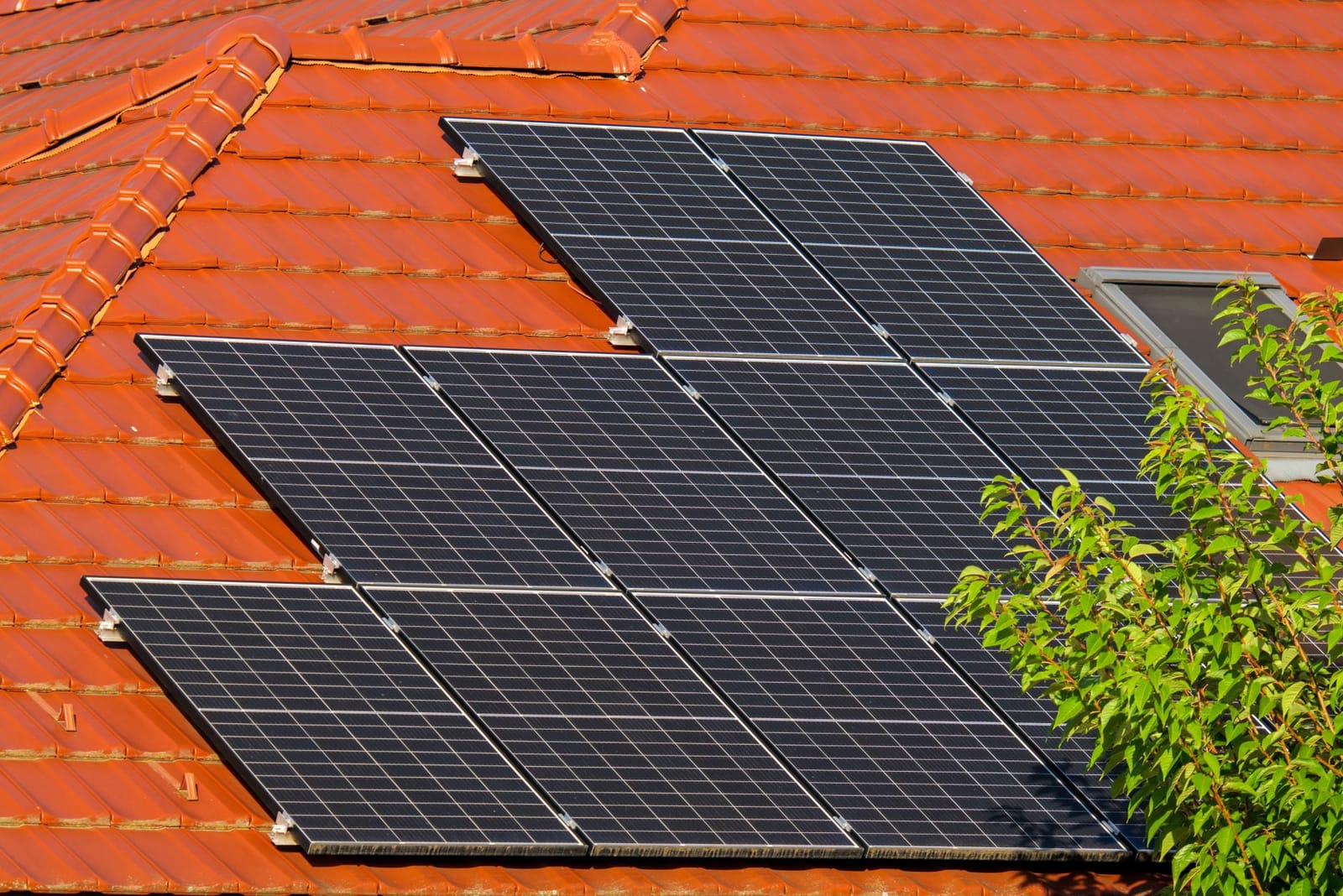
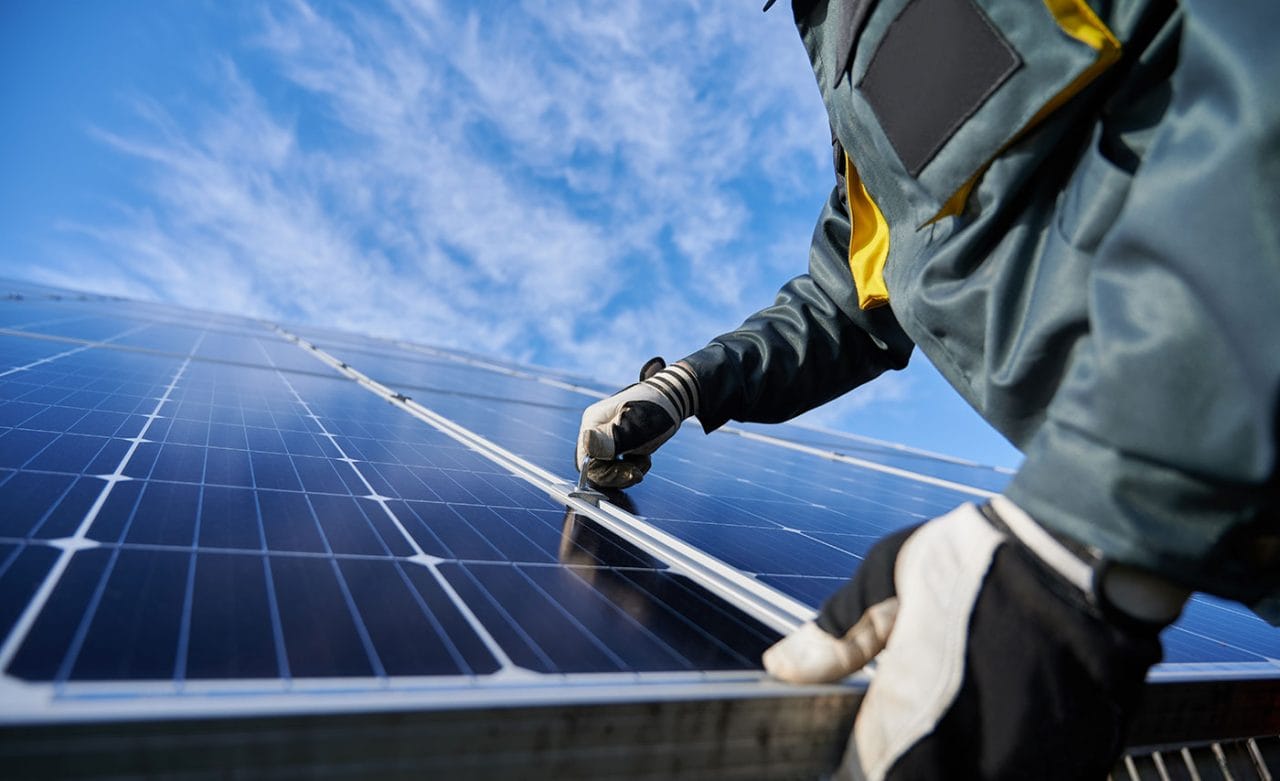
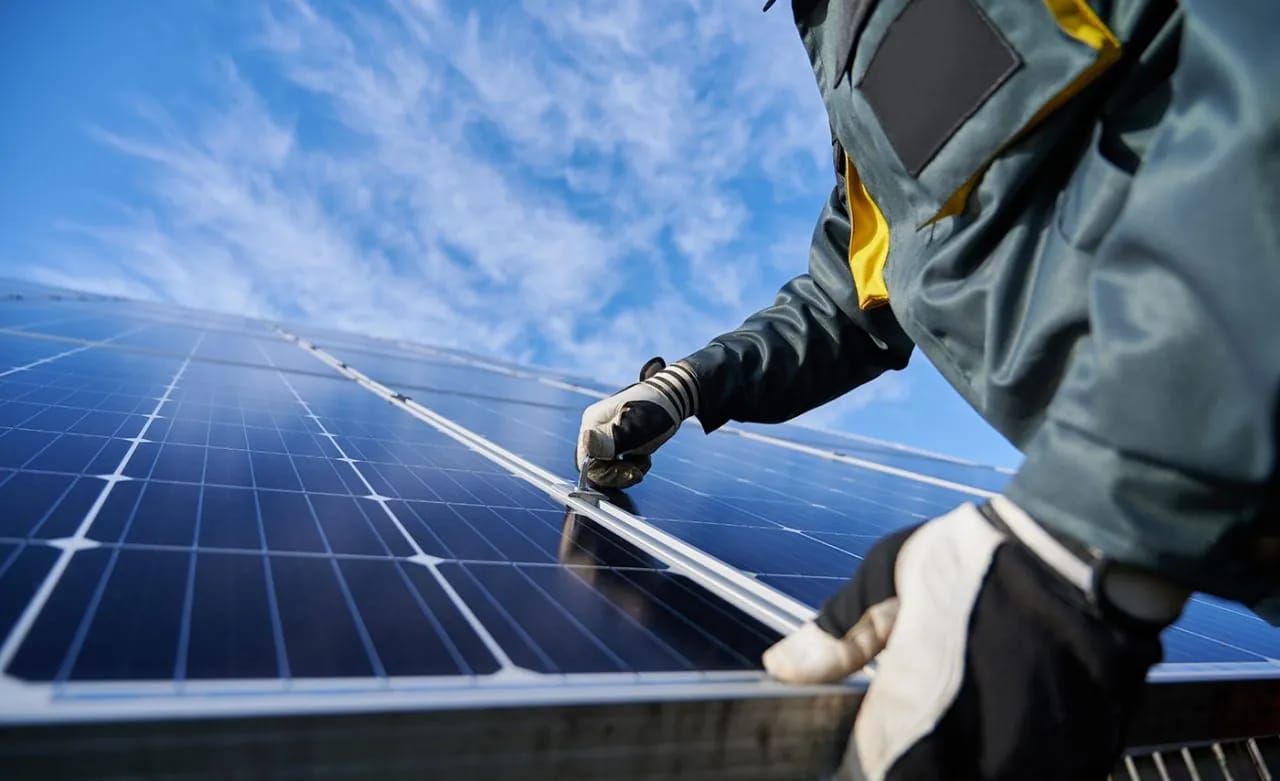
For a refrigerated warehouse we usually design a system in the 400 to 1,800 kW range, roughly 740 to 3,300 panels across about 2,400 to 10,800 square metres of roof. A system that size generates in the region of 370,000 to 1.65 million kWh a year and saves between 85 and 380 tonnes of CO2 annually. Cold storage is the one warehouse type you can size with real confidence, because round-the-clock refrigeration gives exceptional self-consumption, so the array is sized against the baseload rather than the roof. We pull your half-hourly meter data first to confirm the load. Roof area is rarely the binding constraint; the real limits are the existing baseload and DNO capacity. Because cold stores are typically built from insulated panel construction, the mounting approach must protect that thermal envelope, which can shape the layout.
Costs, payback and tax relief
A cold-storage project typically lands between £280,000 and £1.45m depending on size, at roughly £700 to £900 per kW, often below £600 at scale. Simple payback is near 4.5 years, the fastest in UK commercial solar, after which the electricity is effectively free for the rest of the system's life. The biggest lever is tax: solar PV qualifies as plant and machinery, so the 100% Annual Investment Allowance lets most installs be fully expensed in year one up to the £1m cap, with a 50% First Year Allowance on qualifying spend above that, subject to current legislation. For a limited company that relief can be worth up to a quarter of the project value back as tax in year one; the figures are illustrative. Because a cold store self-consumes almost everything it makes, the return is driven by avoided import; the Smart Export Guarantee still covers any surplus at 4 to 15p per kWh, but exports are minimal by design. Our cost guide works through the numbers by system size.
Funding routes for cold-storage operators
Cold-chain businesses have access to one route most logistics buildings do not. The Industrial Energy Transformation Fund (IETF), operated by DESNZ, is open where your SIC code falls within scope, and cold-chain and food-warehouse operations qualify, with a 30 to 50 percent intervention rate across grants of £100k to £30m. Alongside that, capital allowances are the core relief, and in a Freeport or Investment Zone, Enhanced Capital Allowances can deliver effective 100% first-year relief on qualifying plant. Tenants can use the Green Lease Clause route, supported by our BBP-aligned lease addendum, which unlocks installation on a leased building. The full set of routes is on our funding routes page.
Compliance and sector considerations
Two compliance points are specific to cold storage. First, F-gas Regulation 2014/517 governs the refrigeration plant, and our design works with any heat-pump retrofit rather than against it. Second, roof penetration design must protect the integrity of the insulated panel construction, because a poorly detailed fixing is a thermal-bridge, condensation and watertightness risk. Beyond that the standard logistics regime applies: LPC sprinkler clearances (1m to the deflector, 0.6m at high-bay), insurer pre-design review as standard, permitted development under Class A Part 14 of the GPDO 2015 for most installs, a G99 grid application above 17 kW per phase, and wind loading designed to BS EN 1991-1-4. Solar does not interfere with food-safety audits; increasingly BRC v9, SQF, IFS and GFSI-recognised standards reference renewable energy adoption. We are MCS, NICEIC, RECC and TrustMark certified and work to ISO 9001, 14001 and 45001.
How we approach the project
We treat cold storage as a specialism, not a variation on an ambient warehouse. We size from the half-hourly meter data, carry out a roof and structural check with a wind-load assessment, and pay particular attention to insulated-panel construction. We submit the G99 grid application early so the DNO clock runs in parallel with design, obtain insurer pre-design sign-off and confirm sprinkler clearances before fabrication, and provide a fixed-price proposal backed by an insurance-backed workmanship warranty. The build happens above live operations, with the only outage being the short final grid synchronisation, so the cold chain is never broken.
An illustrative worked example
As an illustrative composite, and not a real named client: a family-owned operator running a 24/7 cold-storage facility with an energy spend near £390,000 a year installed around 782 kW of roughly 1,440 panels generating about 725,000 kWh a year. Self-consumption settled near 92% on the constant refrigeration load, and the annual saving sat around £187,000 for a payback close to 4.3 years. These figures are purely illustrative and depend on your site, roof, load profile, tariff and lease. If your cold chain spans dedicated chilled handling and broader logistics, see cold chain warehouse solar and distribution centre solar. When you are ready, read the cold storage solar FAQs, then request a free feasibility from your meter data.